2026 Middle East Conflict and Its Ripple Effects on the Global Economy: Potential Supply Chain Chaos Beyond Oil
HKUST IEMS Thought Leadership Brief No. 107
SHARE THIS




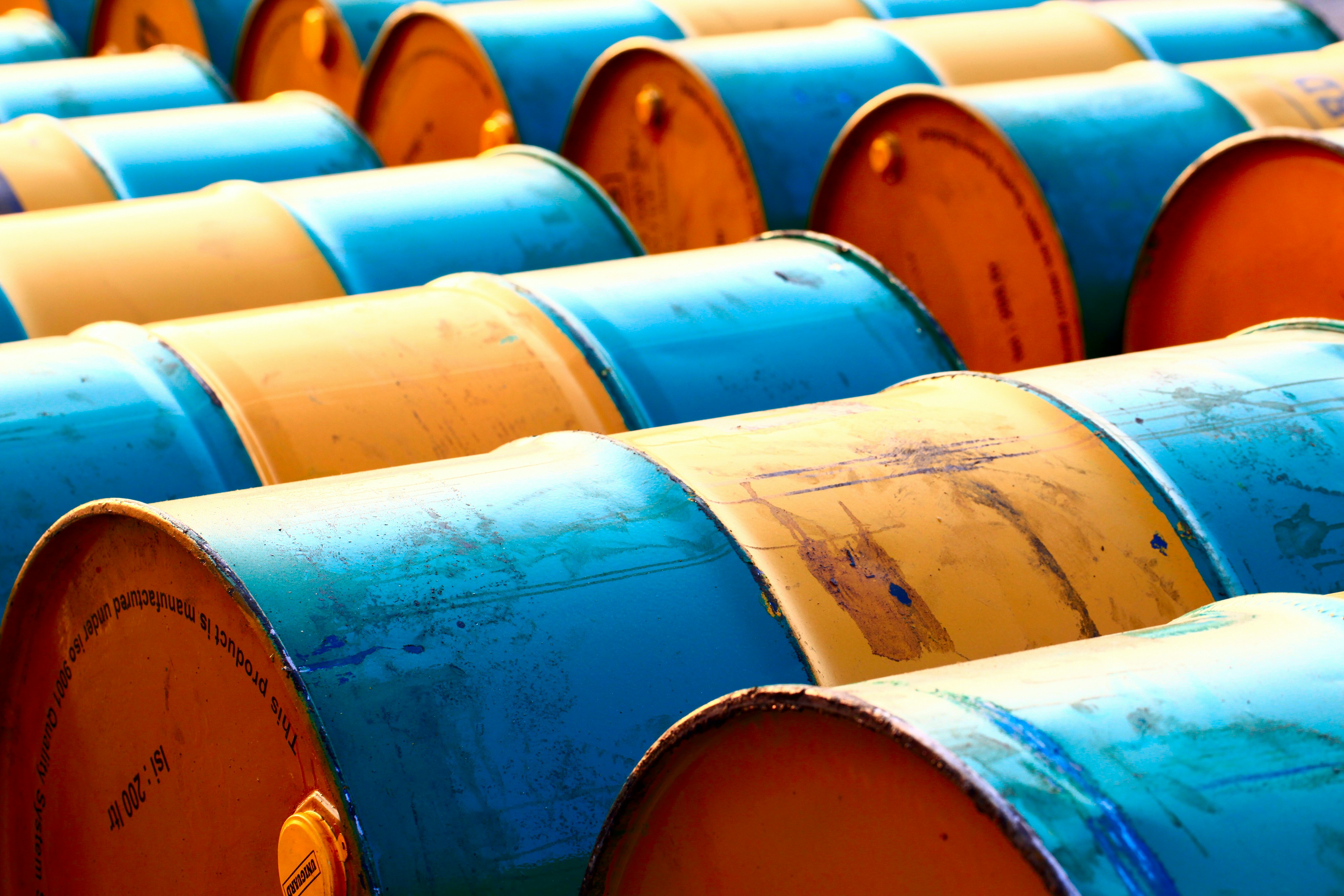
The ongoing geopolitical conflict in the Middle East, escalating in early March 2026, has disrupted global supply chains, limiting transit through the Strait of Hormuz and delaying international energy exports. Beyond crude oil prices, a broader structural economic impact involves the sudden constraint of refined industrial inputs, notably elemental sulphur, agricultural nitrates, and semiconductor-grade helium. The widespread suspension of maritime shipping has created logistics bottlenecks, generating a dual macroeconomic shock: a negative supply shock driving headline inflation, paired with demand moderation as escalating input costs compress corporate profit margins. Central banks confront a complex policy dilemma reminiscent of the 1970s. Extensive monetary tightening to combat commodity-driven inflation carries the risk of tipping a transitioning global economy into a prolonged economic contraction.
About the author
Alicia García Herrero is Adjunct Professor at the Hong Kong University of Science. Alicia also serves as a Senior Fellow at the Brussels-based European think-tank BRUEGEL and as Chief Economist for Asia Pacific at French investment bank NATIXIS. She is a non-resident Senior Follow at the East Asian Institute (EAI) of the National University Singapore (NUS) as well as at the Institute of Chinese Studies in Delhi. She is also a non-Executive Board member of listed-insurance group, AGEAS. Finally, Alicia is a Member of the Council of Advisors on Economic Affairs to the Spanish Government and an advisor to the Hong Kong Monetary Authority’s research arm (HKIMR).
Alicia holds a PhD in Economics from George Washington University and has published extensively in refereed journals and books. She is also very active in international media.
Get updates from HKUST IEMS